Community is Climate Resilience

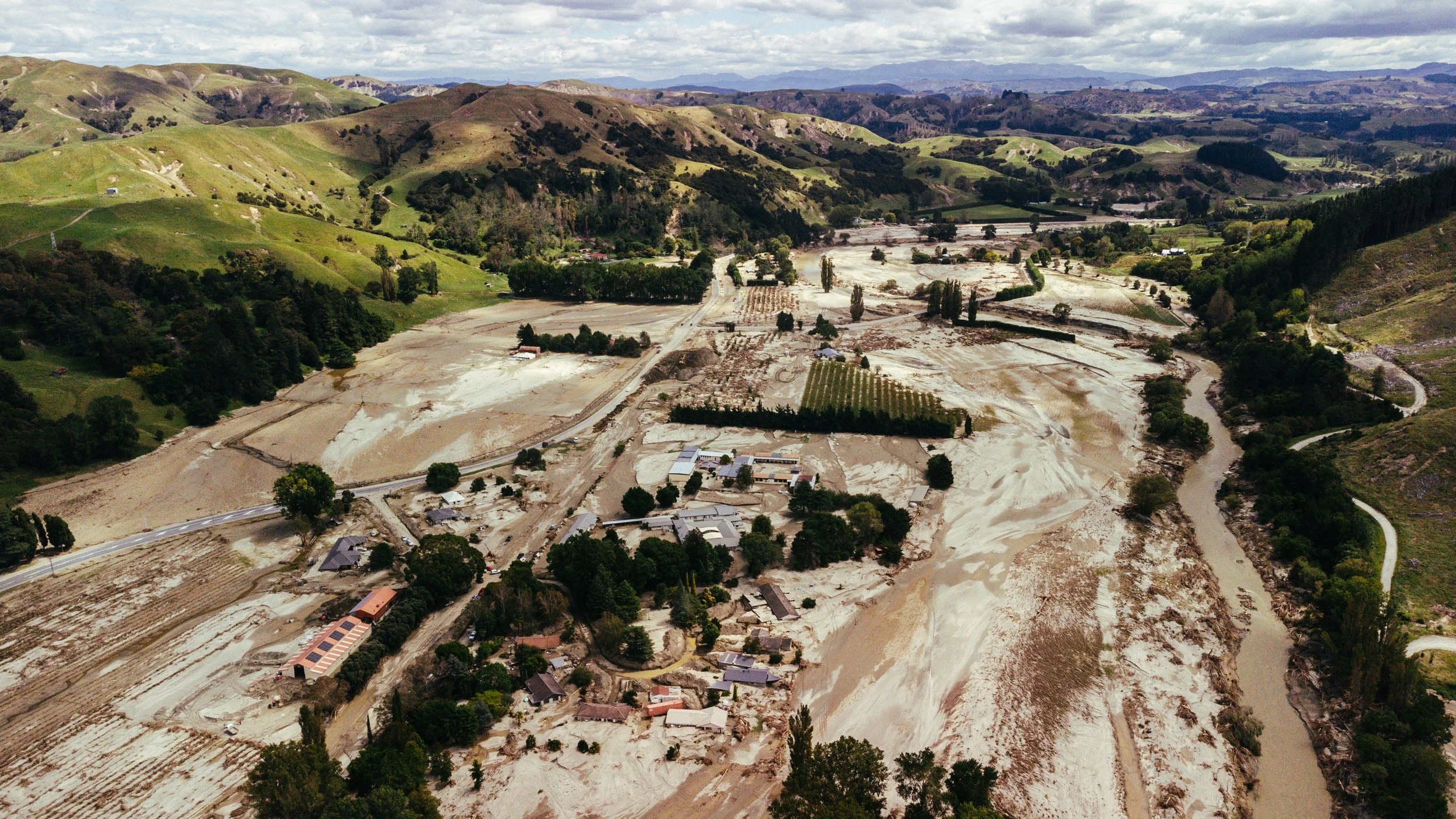
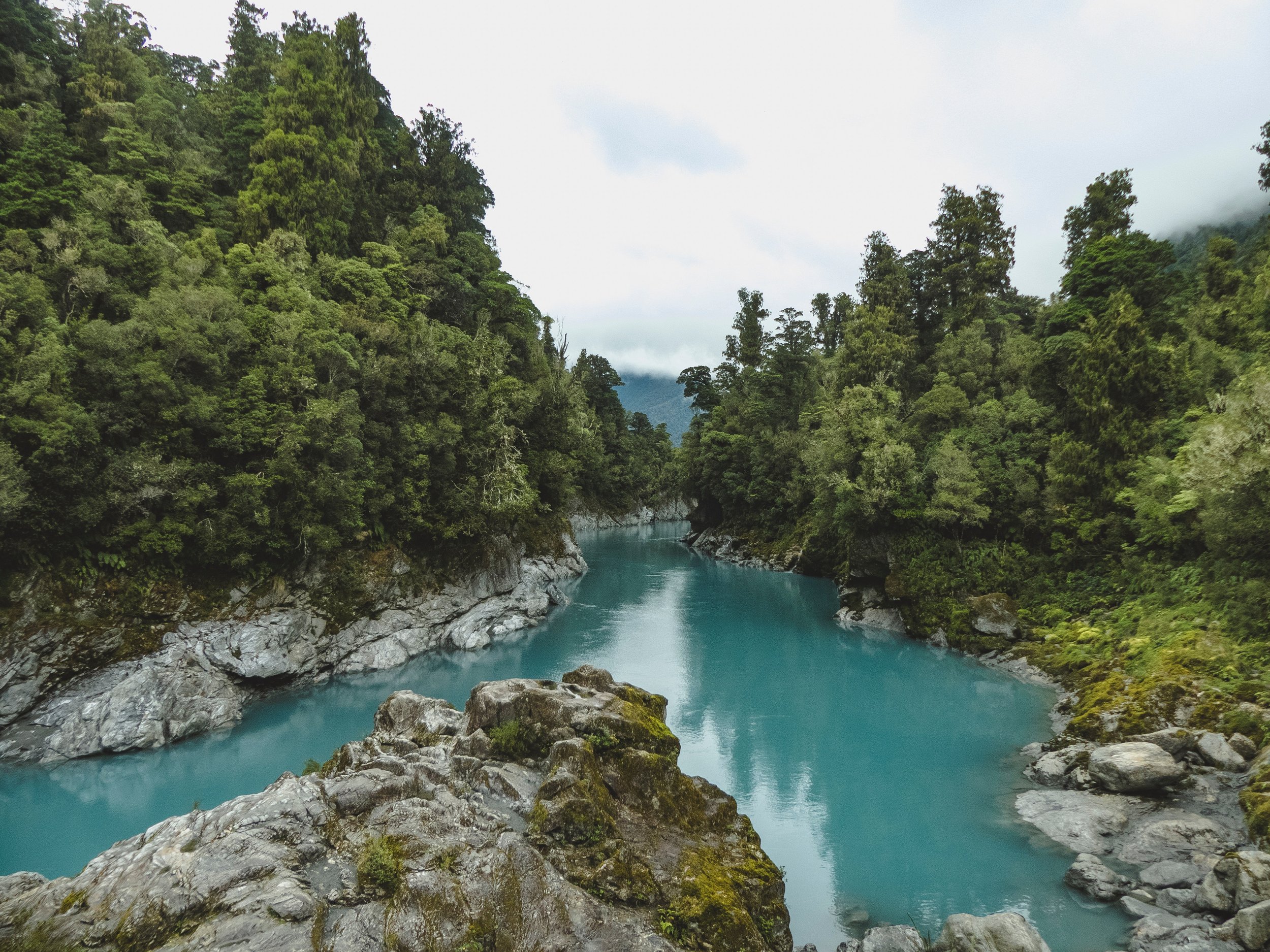
Image credit: Michael FarrCommunity is Climate Resilience:
Lessons from Cyclone Gabrielle & the Auckland Anniversary Floods
Download Full Report:
Inside this report:
After Cyclone Gabrielle, communities came together and mobilised incredible responses to support one another. We spoke to hundreds of community responders to find out their learnings; what worked, what didn't, and what changes they want to see made to better support community responders.
This report presents our findings and a series of recommendations for building future resilience.
“We have been providing wraparound food support ... for 6 years with incredibly high reach and access to our wider community. Our local council almost side lined our operations in their plan, instead duplicating in several services and confusing the public”
Community Resilience in Action
Sustainable Hawkes Bay: A Vital Community Hub
Sustainable Hawke’s Bay rapidly transformed from an environmental organisation into an essential emergency hub during Cyclone Gabrielle. With long-standing networks and regional reach, SHB coordinated food, support, and community services, demonstrating adaptability, deep local trust, and the critical value of well-connected organisations in mobilising large-scale community-led disaster response.

The Food Basket CHB: A Flexible Response to Community Needs
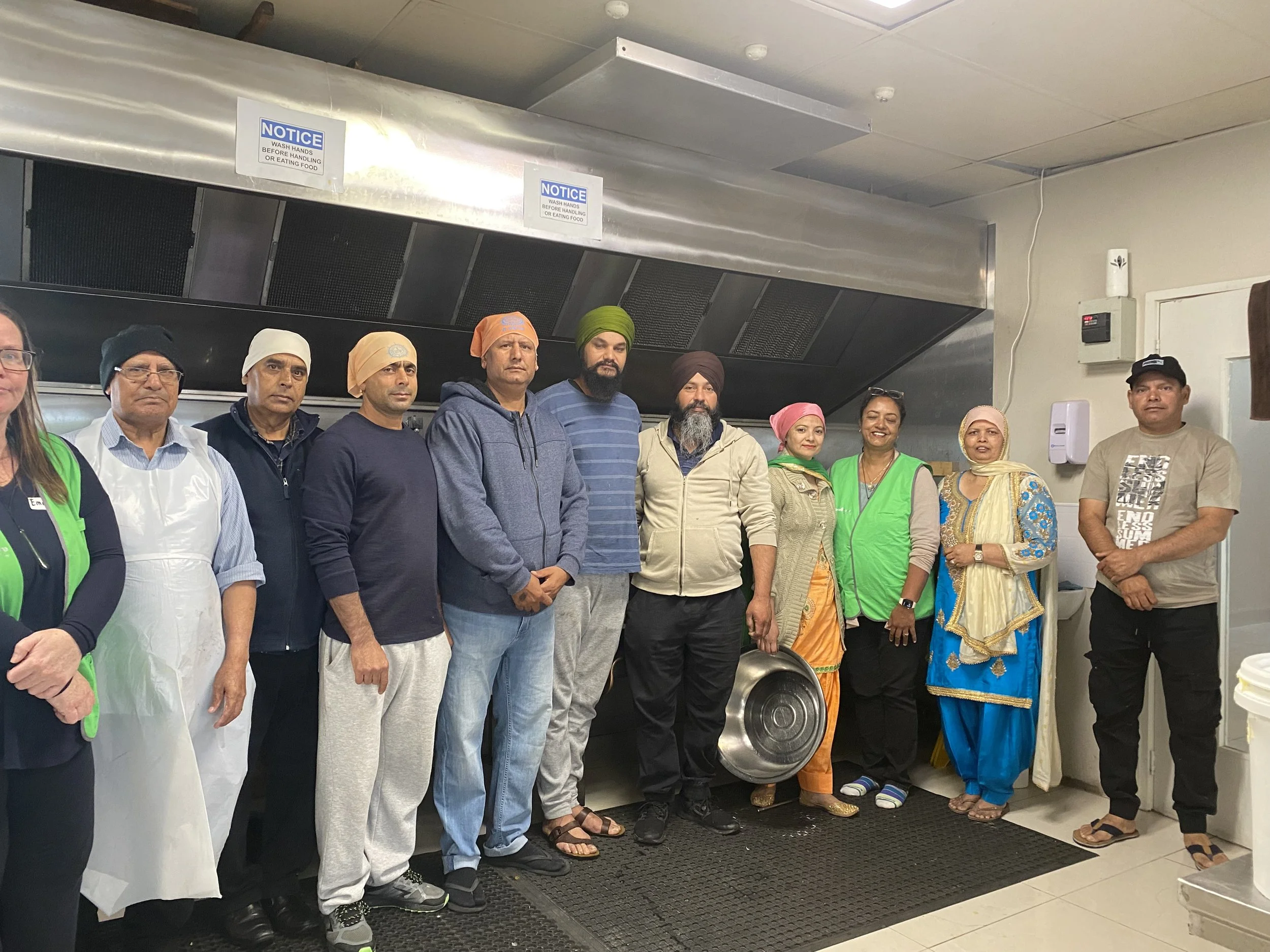
The Food Basket CHB rapidly adapted its space, systems, and volunteer networks to meet escalating needs after the cyclone. With flexible structures, strong community roots, and existing equipment, it provided large-scale food support and essential services. Its agility highlights how embedded organisations can mobilise quickly in crisis.
Te Poho o Rāwiri Marae: Cultural Connection in Times of Crisis
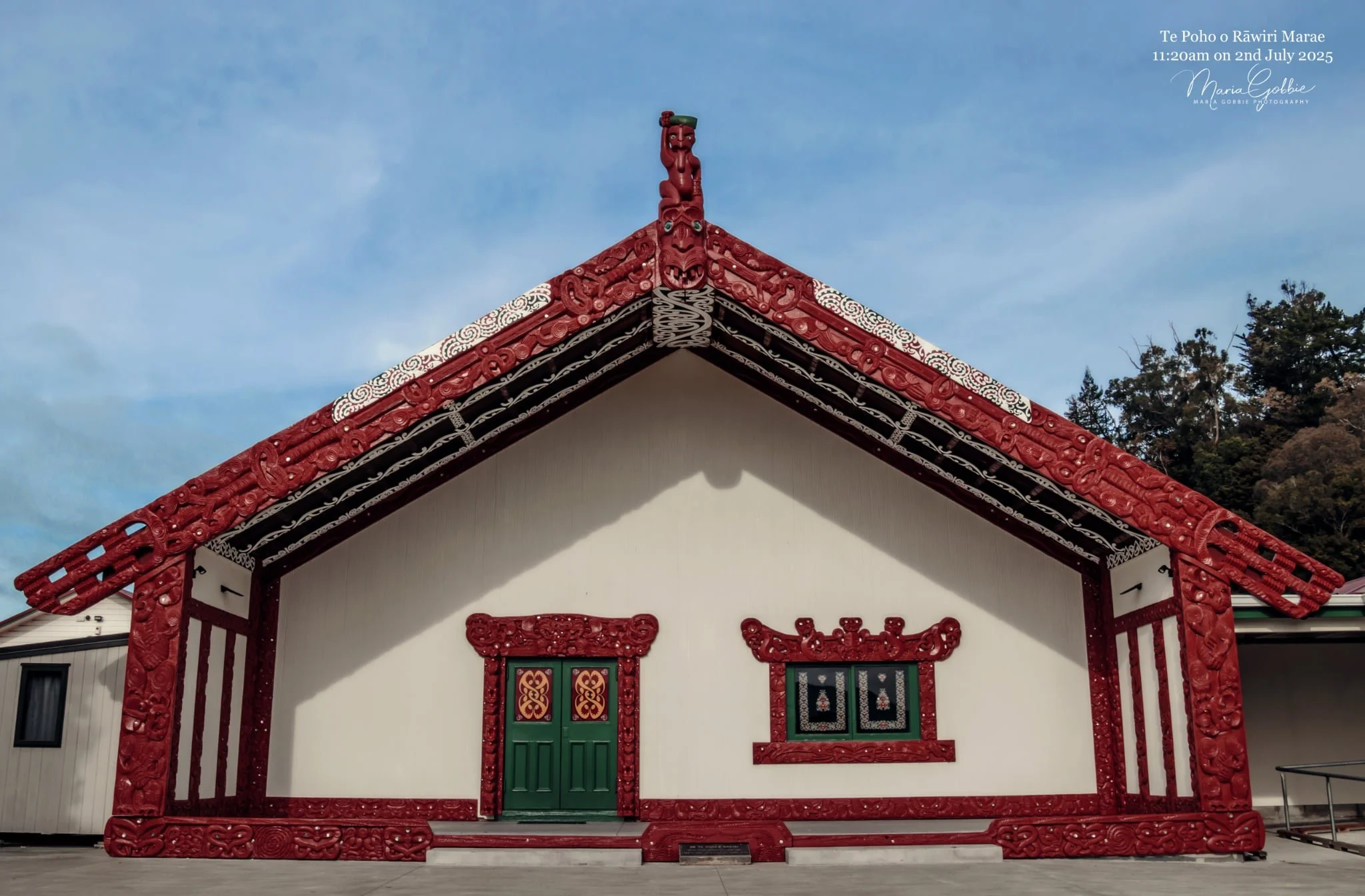
Te Poho o Rāwiri Marae became Gisborne’s largest community support centre, assisting 2,500 people. Leveraging deep community ties, it provided food, shelter, communications, medical care, mental-health support, and government agency access, later developing long-term resilience plans. Its inclusive, culturally grounded leadership exemplified Māori-led emergency response at scale.
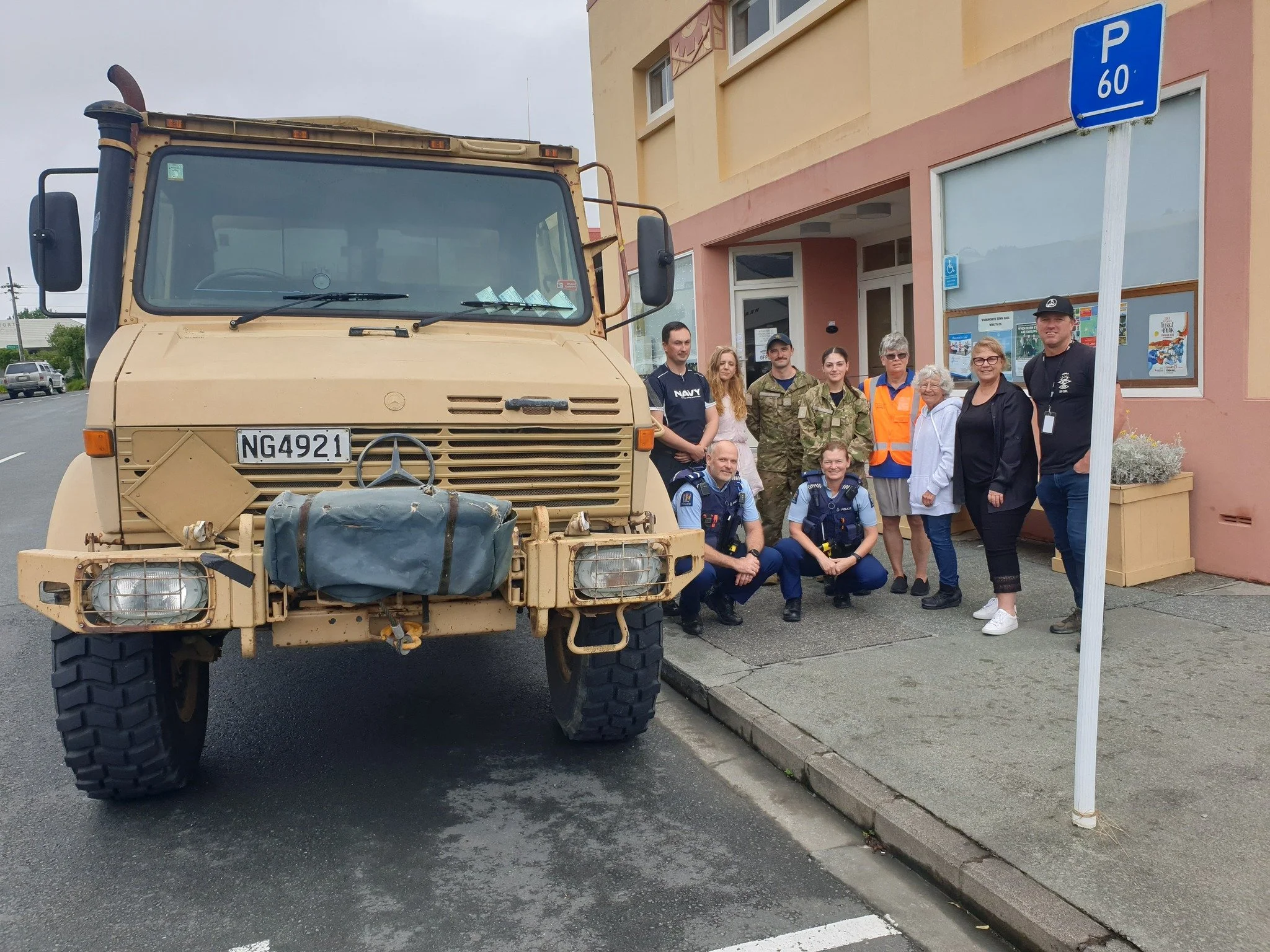
Warkworth Community Resilience Group: Integrating Learnings to Build Preparedness
The Warkworth Community Resilience Group used pre-existing preparedness work to quickly mobilise during the NISWE. By applying learnings from past emergencies, they met unmet needs, coordinated welfare checks, and supported vulnerable residents. Their proactive planning demonstrated how small, organised community groups can act swiftly when official responses fall short.
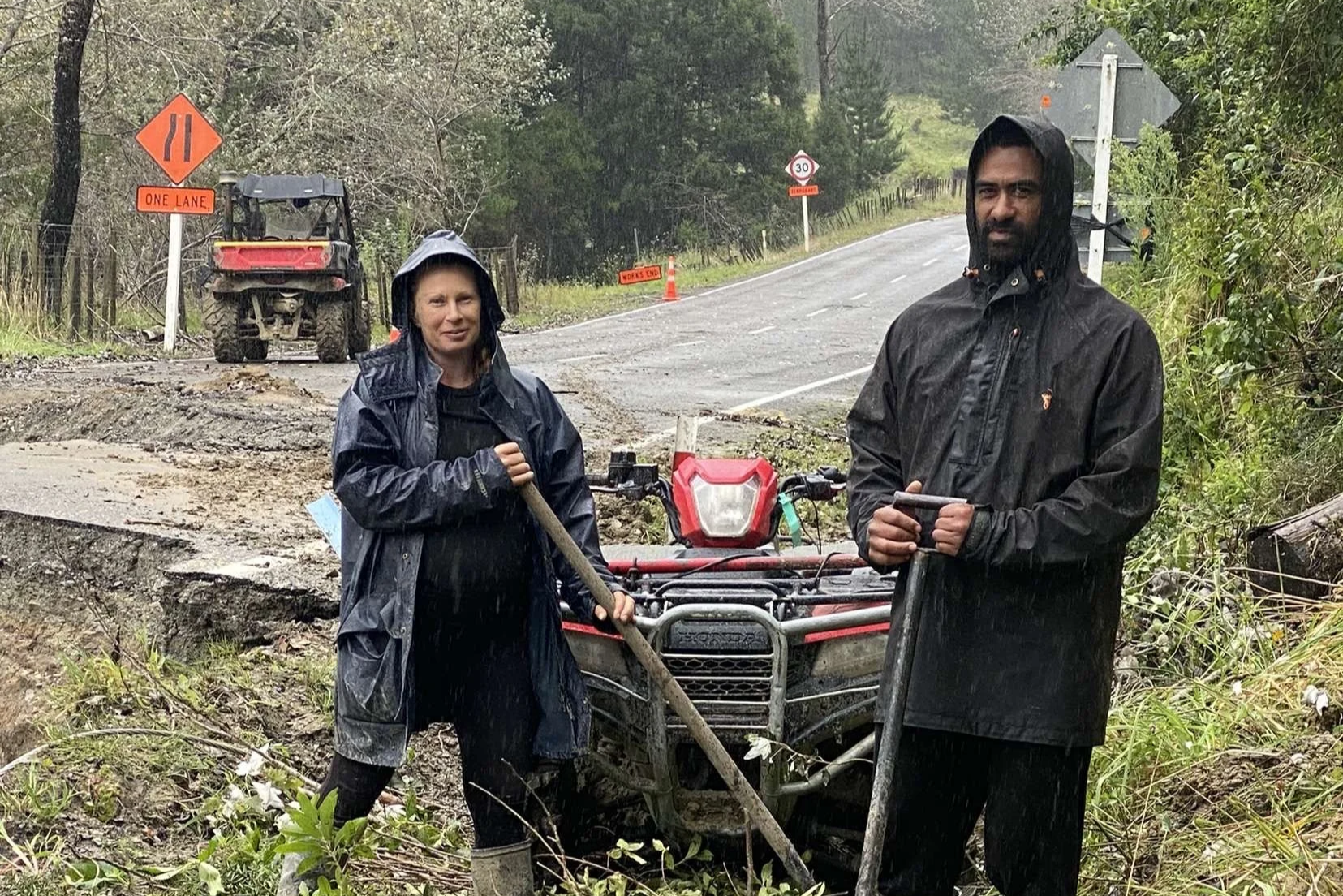
The East Coast Exchange: Turning Community Action into Funded Recovery
The East Coast Exchange transformed spontaneous local action into a coordinated, funded recovery effort. By formalising community response work and securing resources, ECX bridged gaps left by official systems. Their model shows how resourcing trusted community actors enables rapid mobilisation, sustained recovery support, and long-term resilience planning
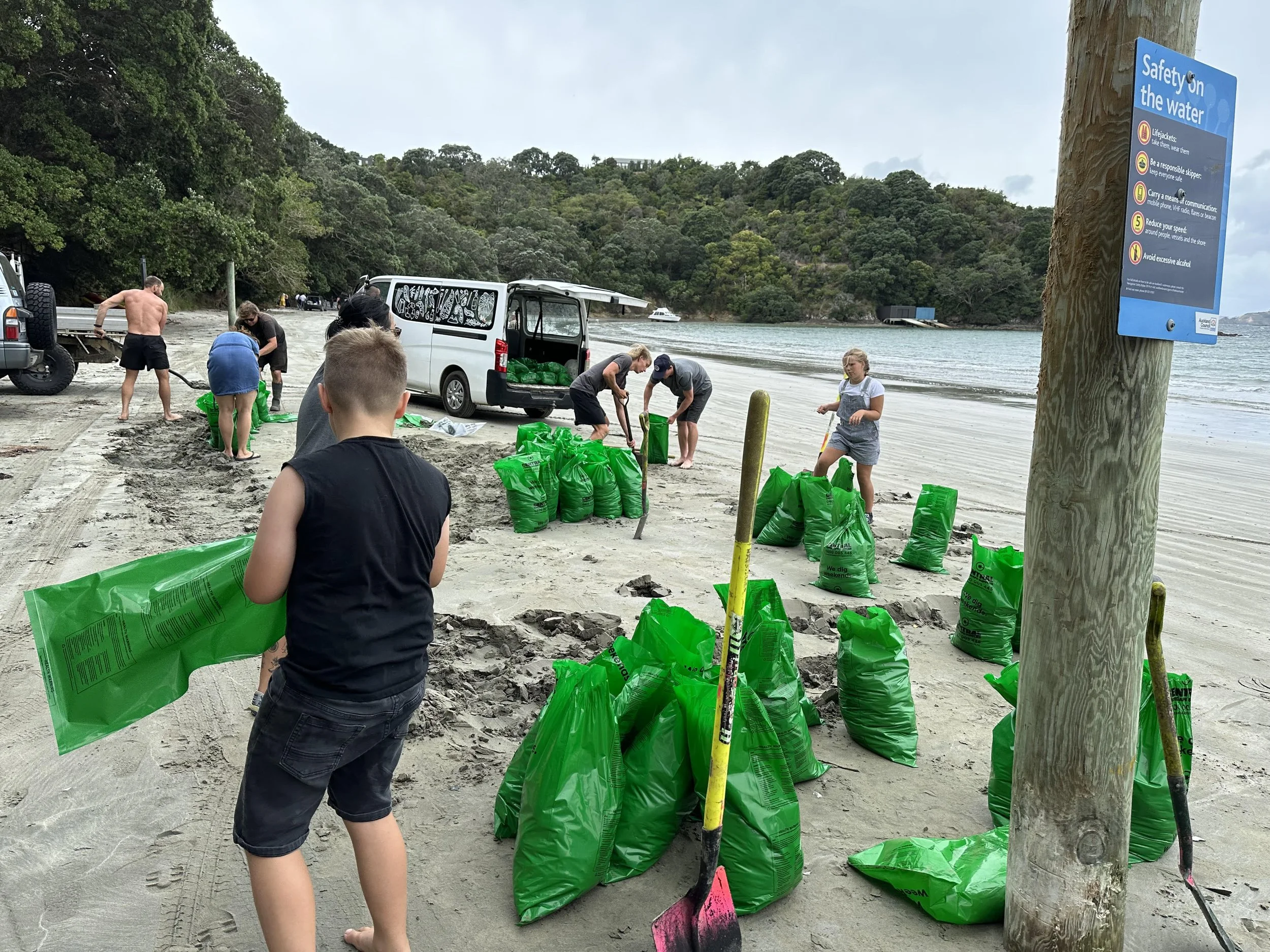
Waiheke Resources Trust: The Value of Deep Community Connections
Waiheke Resources Trust leveraged 28 years of deep community relationships to lead extensive flood-preparedness efforts when the local Civil Defence Centre proved inadequate. Mobilising staff, volunteers, equipment, and trusted networks, they coordinated mass sandbagging, prepared emergency shelter, and collaborated effectively with council. Their trusted presence enabled rapid, community-led readiness.
This research is only possible thanks to our funders, partners and supporters